 |
|
|
Operator, You have Visited here
Times Today.
|
|
 |
| ... |
|
(The Script displays whether or not your Browser supports our JavaScript.) |

|
 |
 |
 |
|
Click for playback Night Ambient sounds, Crickets
 |
 |
|
Hello and
for Website Security and Mobile devices with the Hydroone All Culprits Access Denied (The Hydroone A.C.A.D.) Firewall List for Website Defence and the Desktop New Rules as security for it's Protection too.
We are Intrusion Dectection Inspectors who have drawn up the Penwarden Website Security Hydroone You've Been Scanned Report for you.
We have uncovered, Blocked and Listed here [2,120] Lines of malicious Malware detected hidden in stealth mode in the Hydro One Domain name and laying low in various Website Source code(s).
,
The P.W.S. Hydroone You've Been Scanned Report is Raising the Standard in Website Security Services, stonewalling Malware Enthusiasts. Repelling the onslaught at the Gate,
warding off malicious website Attacks. raising the Bar in Website Security, stonewalling Malware. Blocking [2,120] mal Hops, malicious IPs from any access, the malicious overseas IPs long overlooked and hidden the embedded Malware
is disabled from further activity.
 |

|
|
What type of firewall is a W.A.F.?
What is a W.A.F.? | Web Application Firewall explained. A W.A.F. or web application firewall helps protect web applications by filtering and monitoring HTTP traffic between a web application and the Internet. It typically protects web applications from attacks such as cross-site forgery, cross-site-scripting (XSS), file inclusion, and SQL injection, among others. What is the difference between perimeter firewall and W.A.F.? They complement each other: the network firewall blocks malicious traffic at the perimeter, while the WAF provides additional protection for web applications, ensuring comprehensive security coverage. Network firewalls and W.A.F.s complement each other by providing defence-in-depth against different types of threats. A host-based firewall is software that works on a singular device in a network, providing a protection layer by examining incoming and outgoing traffic. It effectively filters harmful content, ensuring malware, viruses, and other malicious activities do not infiltrate the system. In environments where network security is paramount, host-based firewalls complement perimeter-based solutions. While perimeter defenses secure the broader network's boundaries, host-based firewalls bolster security at the device level. See How Does a Host-Based Firewall Work? https://www.paloaltonetworks.com/cyberpedia/what-is-a-host-based-firewall#:~:text=Host-based%20firewalls%20protect%20individual,controlling%20traffic%20for%20multiple%20devices. |
 |
|
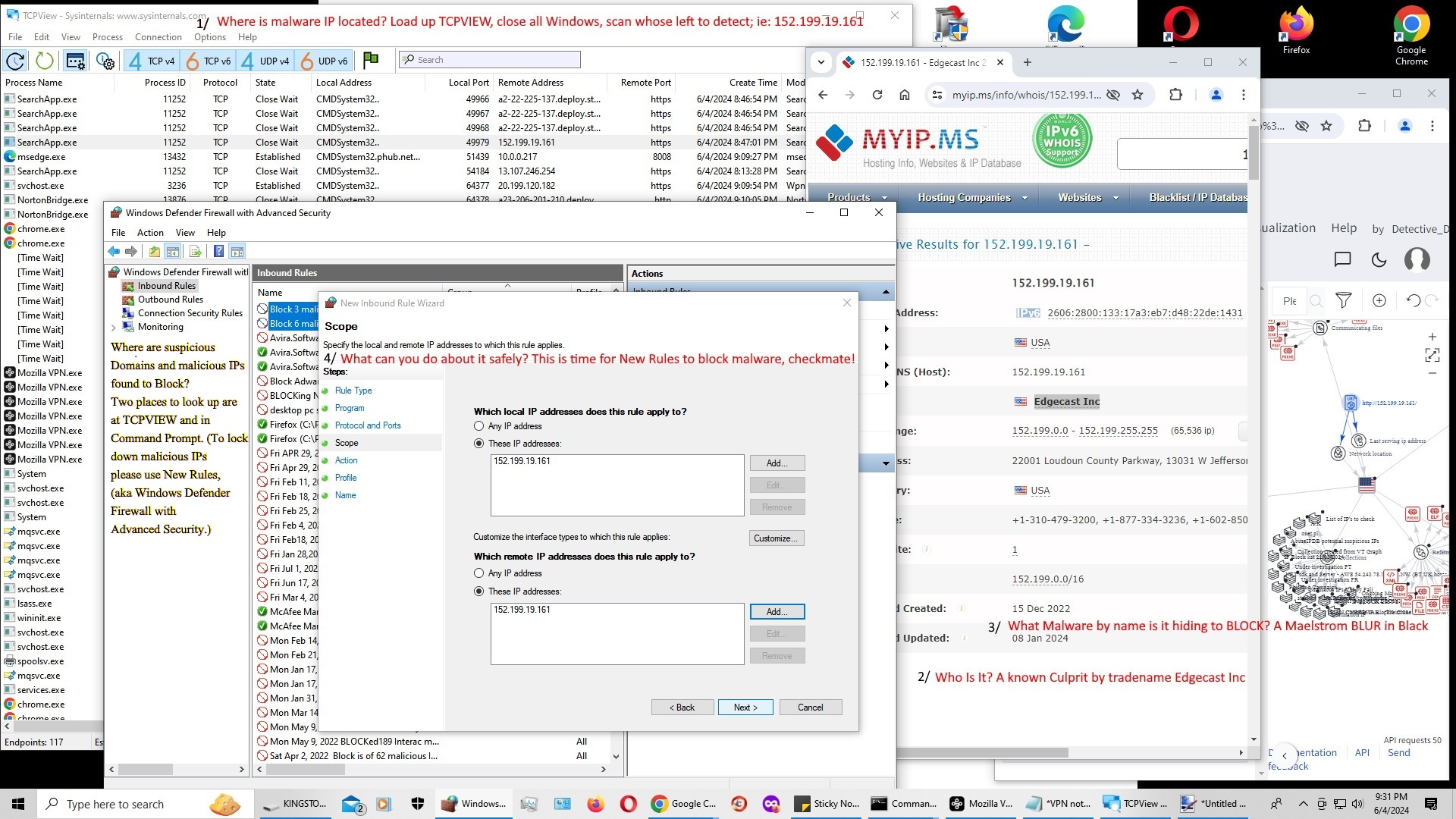
Where are suspicious Domains and malicious IPs found to Block?
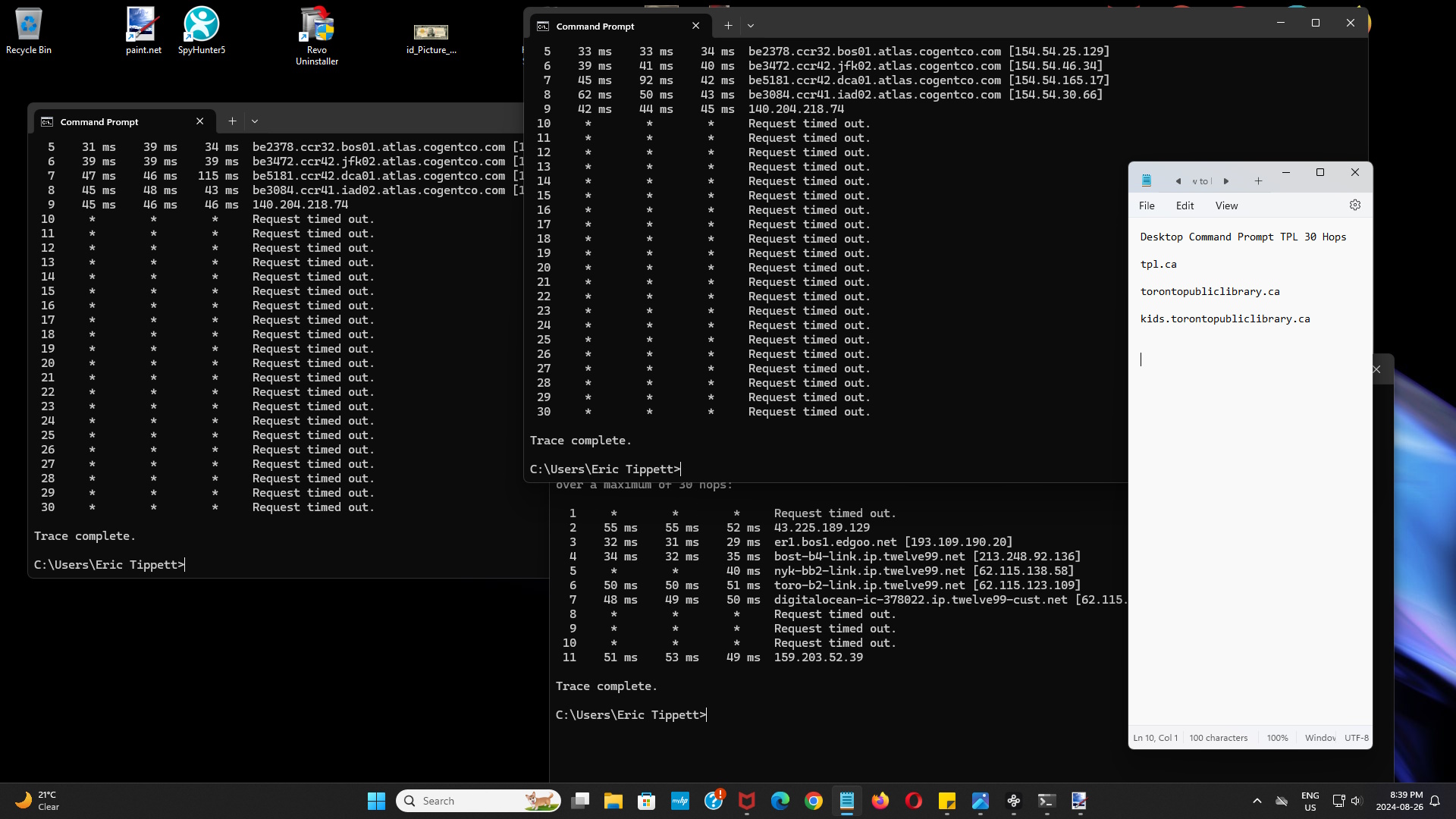
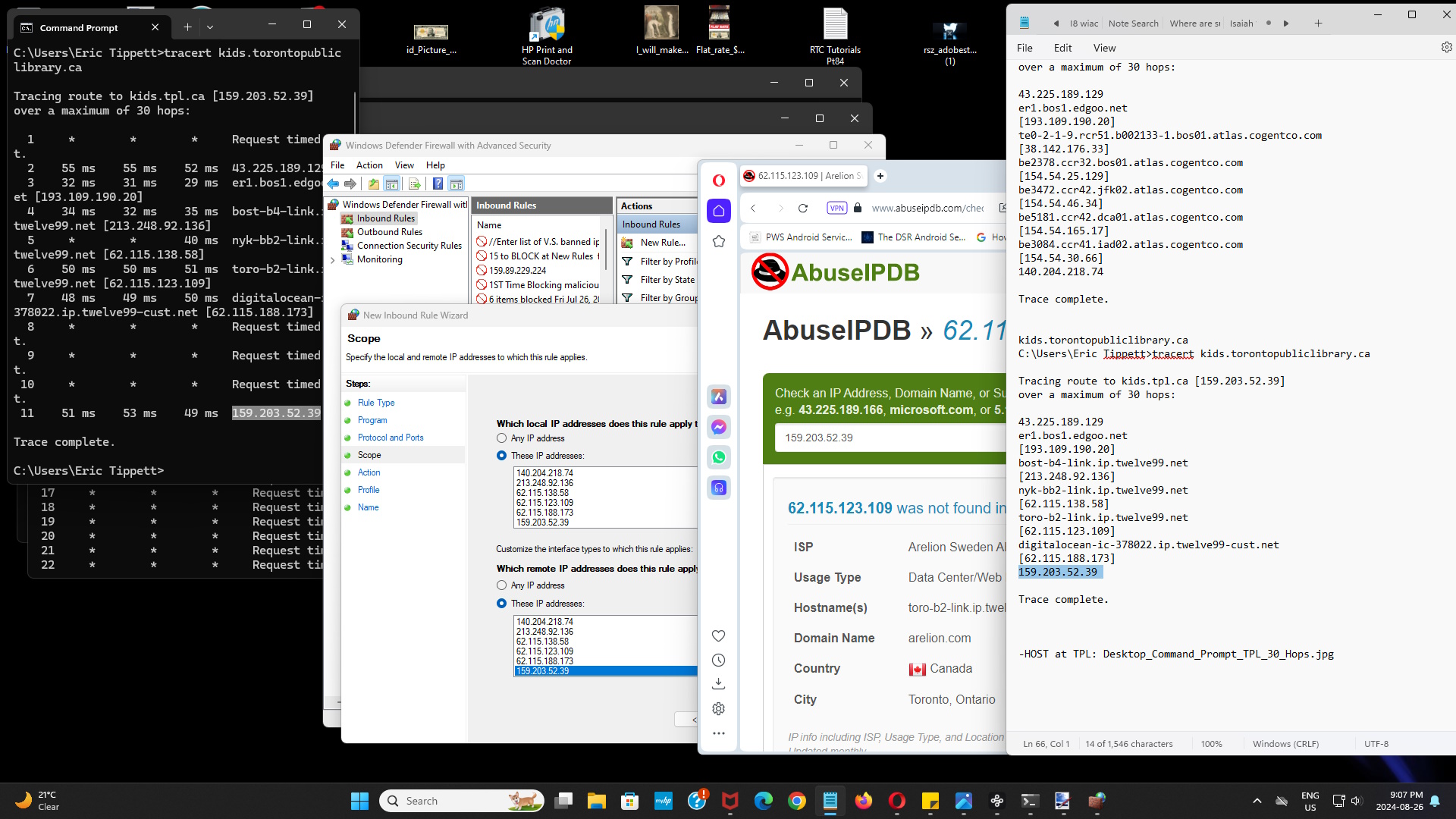
Two places to look up are at TCPVIEW and in Command Prompt. (To lock down malicious IPs please use New Rules (aka Windows Defender Firewall with Advanced Security) To Load up New Rules... Click in Search box, click on Command Prompt and type in:>wf.msc Click on left Panel 'Inbound Rules.' Click on right Panel 'New Rule... Click 'Custom' Pick, Next, All programs, Next, Block the connection, Next, Next again. Add Name and optional description, Click Finish, DONE! You have protected your Computer safely denying access to malware blocking incoming malicious IPs one at a time. To Load up TCPVIEW... Download to your Computer Desktop TCPView for Windows - Sysinternals at: https://learn.microsoft.com/en-us/sysinternals/downloads/tcpview Click 'Download TCPView' (1.5 MB) On screen, click 'tcpview Application' to make changes. With all open online Windows closed and so whose Ip's are left scan as suspicious, scum floats. |
 |
 |
 |
 |
 |
 |
 |
|
Feel the comfort Website Security
makes, stem the Flow, stop the Leaking. Block the siphoning, Spying and Espionage in it's tracks, the Trail it leaves behind can be traced back. |
 |